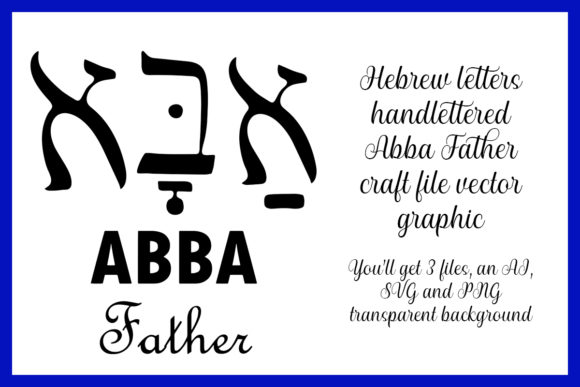
Hebrew Letters Handlettered Abba Father Review
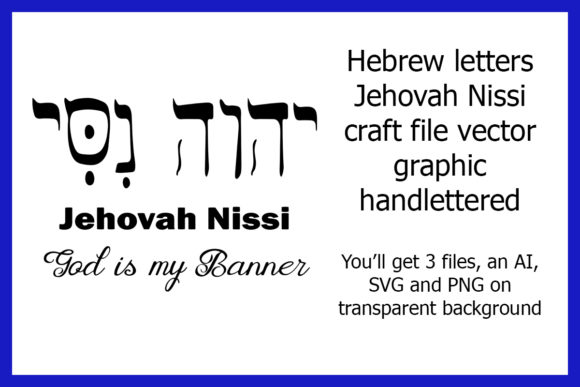
When evaluating a new machine embroidery design for faith-based projects, my first question is always about emotional resonance. Does the typography carry the weight of the word it represents? With the Hebrew Letters Handlettered Abba Father graphic, the answer lies in its organic flow. Unlike rigid, computer-generated fonts, this handlettered style mimics the natural stroke of a calligraphy pen or brush. For an embroidery designer or small business owner, this distinction matters immensely. It transforms a standard religious motif into something that feels intimate, personal, and artisanal. As I reviewed the SVG, AI, and PNG assets, I immediately began visualizing how these fluid lines would translate into thread on fabric, specifically for items meant to be cherished rather than just worn.
Translating Digital Curves to Stitched Reality
The transition from a digital embroidery file to a physical product requires careful interpretation. Handlettering often features varying line weights and tapered ends that look beautiful on screen but can be tricky to digitize effectively. When planning a project with Hebrew Letters Handlettered Abba Father, you must consider how the satin stitch will handle those elegant curves. If the lettering is too thin, it risks getting lost in the fabric weave; if it is too wide without proper underlay, it may pucker.
I recently approached this design with a specific client request in mind: a custom nursery blanket for a Messianic Jewish family expecting their first child. They wanted something that bridged tradition with modern aesthetics. This design was the perfect candidate because the hand-drawn quality softens the formality of the Hebrew script. However, before hooping the expensive minky fabric, I had to assess the stitch density. The transparent PNG allowed me to overlay the artwork onto a digital mockup of the blanket corner to check scale. I realized that to maintain the integrity of the handlettered tails, I needed to use a slightly heavier thread weight or adjust the column width in my digitizing software. This step ensured the "Abba Father" text remained legible and didn't disappear into the plush texture of the baby blanket.
Best Applications for Faith-Based Merchandise
This design asset shines brightest when used on products where the message is central to the item's value. Based on my testing and experience with similar typography, here are the most effective applications:
- Custom Apparel and Sweatshirts: The organic nature of the lettering pairs beautifully with relaxed-fit sweatshirts or linen tops. It avoids looking like generic church merchandise and instead feels like boutique fashion.
- Nursery Decor and Baby Embroidery: As mentioned in my real-life case, the softness of the script makes it ideal for bibs, blankets, and christening gowns. It communicates tenderness appropriate for infant items.
- Tote Bag Designs: Canvas tote bags provide a stable, flat surface that supports detailed running stitch or satin outlines without distortion. This is a high-margin item for Etsy sellers.
- Holiday Embroidery: Whether for Passover table linens or Christmas gifts, this design bridges cultural and interfaith contexts gracefully due to its artistic rather than dogmatic presentation.
- Embroidered Patches: Creating standalone patches allows customers to add the design to denim jackets or backpacks later. The self-contained shape of the handlettering works well within patch borders.
Navigating Fabric Limitations and Stabilizer Choices
While Hebrew Letters Handlettered Abba Father is versatile, it demands respect for fabric physics. Handlettered designs often have intricate entry and exit points that can cause registration issues on unstable materials. During my review process, I noted several scenarios where caution is necessary.
Avoid using this design on highly textured fabrics like terry cloth or thick fleece without significant modification. The fine details of the Hebrew characters will sink into the pile, rendering the handlettering illegible. Similarly, stretchy knits require a robust stabilizer strategy. A cut-away stabilizer is non-negotiable for t-shirts to prevent the letters from warping after washing. For sheer or lightweight fabrics, the density of the lettering might cause tearing; in these cases, consider using the design as an applique outline or reducing the overall size to minimize stitch count.
Dark fabrics present another challenge. Handlettering relies on contrast and line variation. If you are stitching white thread on navy blue cotton, ensure your thread colors provide enough opacity. You may need to increase the underlay stitches to create a solid foundation so the top thread doesn't show the dark fabric beneath. Always test on a scrap piece of the exact material you intend to use for the final handmade product.
Commercial Viability for Creative Entrepreneurs
For Etsy sellers and shop owners, the value of this graphic extends beyond the stitch-out. The inclusion of AI and SVG formats means you can create cohesive branding across multiple mediums. I recommend using the vector files to create printable mockups for your listings. Customers respond better when they can see the design applied realistically to a product rather than just viewing a flat digital image.
However, professionalism requires diligence. Before listing any finished product or digital derivative, verify the licensing terms associated with Hebrew Letters Handlettered Abba Father. Confirm whether the license covers commercial sale of physical embroidered goods versus digital redistribution. Trust is the currency of the craft community; ensuring you have the right to sell your creations protects your business reputation. Additionally, when marketing this design, highlight its dual appeal to both Jewish and Christian demographics. This broadens your potential customer base for personalized gifts and interfaith wedding items.
Designer Notes for Optimal Results
To get the most out of this design asset, treat it as a premium component of your inventory. Here are practical steps I take before committing to a full production run:
- Verify Hoop Size Compatibility: Measure the design dimensions in your software against your available hoops. Resizing handlettering by more than 10-15% can distort stroke ratios. Choose a hoop that fits the design naturally.
- Check Small Detail Clarity: Zoom in to 400% in your editing software. Are there gaps between stitches? Are the serifs too tiny to stitch cleanly? Edit or simplify these areas before exporting the digital embroidery file.
- Contrast Testing: Print the design in black and white. If the hierarchy of the letters isn't clear in grayscale, it won't be clear in low-contrast thread combinations. Adjust values accordingly.
- Wash Test: For items like tea towels or aprons that face frequent laundering, stitch a sample and wash it three times. Check if the handlettered edges fray or pull away from the fabric.
- Mockup Validation: Use the transparent PNG to test placement on curved surfaces like caps. What looks centered on a flat screen often shifts on a rounded brim. Adjust the vertical center point as needed.
Ultimately, Hebrew Letters Handlettered Abba Father is a sophisticated addition to any crafter’s library. It offers a departure from blocky, traditional religious typography, providing a pathway to create emotionally resonant, high-value goods. By approaching this design with technical mindfulness and creative intention, you elevate your work from simple decoration to meaningful artistry. Whether you are crafting a single heirloom gift or building a seasonal collection for your shop, let the organic beauty of this handlettering guide your needle.