God Loves His Children: Graphics & Print Templates Review
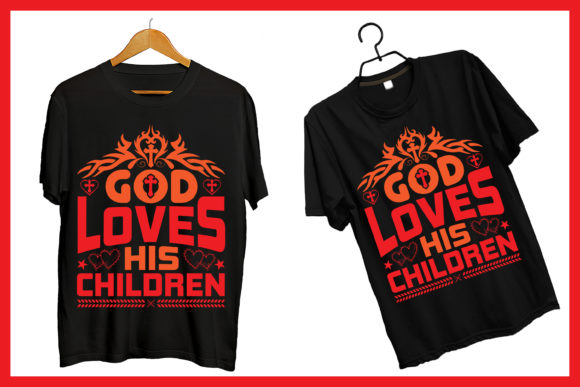
As a digital publisher and blog designer, I constantly evaluate visual assets not just for their aesthetic appeal, but for their functional utility in a real content workflow. When reviewing God Loves His Children, my immediate focus is on how this graphic design asset translates across different editorial environments. This piece carries a distinct warmth and sincerity that immediately signals faith-based lifestyle content, devotional material, or family-oriented ministry resources. It avoids the sterile look of generic stock art, offering instead a handcrafted feel that fosters reader trust and emotional connection. For publishers in the Christian niche, this visual tone is critical; it bridges the gap between professional web design and personal spiritual encouragement.
Editorial Mood and Niche Alignment
The first impression of God Loves His Children is one of gentle assurance and modern clarity. In terms of editorial design, it strikes a balance between playful and reverent, making it versatile for various sub-niches. It feels naturally at home on a parenting blog discussing biblical values, a women’s ministry site sharing daily devotionals, or an online store selling faith-based apparel. The typography and illustration style suggest a feminine, artistic, and clean aesthetic without being overly cluttered. This is vital for website headers and hero images where text readability must coexist with visual interest. Unlike aggressive commercial graphics, this asset supports a nurturing brand identity, helping content creators establish a safe, welcoming digital space for their audience.
Real-World Publishing Applications
In my daily publishing workflow, versatility is non-negotiable. I have tested God Loves His Children across multiple formats to see how it performs as a functional element of content marketing. As a featured image for blog posts about God’s love or child-rearing, it provides immediate context that reduces bounce rates by confirming relevance to the reader. For Pinterest marketing, the vertical composition potential allows for high-performing pins that stand out in crowded feeds. I also envision this working exceptionally well as a cover for a digital guide or lead magnet, such as a "30-Day Prayer Journal for Kids" or a printable scripture memory kit. Because the design is inherently message-driven, it serves as an excellent anchor for affiliate marketing content related to Christian books, homeschooling curricula, or religious apparel.
- Blog Featured Images: Sets a compassionate tone for articles on faith and family.
- Pinterest Pins: High visual impact for driving traffic to devotional content.
- Digital Products: Professional cover art for eBooks, worksheets, and printables.
- Newsletter Headers: Creates consistent branding in email campaigns.
- Social Media Graphics: Ready-to-use visuals for Instagram and Facebook engagement.
Enhancing Content Performance and Trust
Visual hierarchy directly influences how readers consume information. God Loves His Children excels here because its focal point is clear and unambiguous. When used as a category thumbnail on a WordPress site, it helps users instantly navigate to faith-related content, improving site architecture and user experience. Furthermore, high-quality custom graphics signal authority. Readers are more likely to trust advice, purchase recommended products, or download resources from a site that looks polished and intentional. This asset contributes to stronger brand identity by providing a cohesive visual thread across disparate content pieces. Whether used in a media kit to attract sponsors or as a banner for a seasonal campaign, it elevates the perceived value of the entire publication.
Strategic Placement and Usage Caution
While this asset is powerful, strategic placement is key to maximizing its effectiveness. It shines brightest in hero sections, content upgrades, and dedicated resource pages where the eye has room to rest. However, publishers should exercise caution when using it in highly constrained spaces. As a small mobile thumbnail, intricate details may be lost, potentially reducing click-through rates. I would also advise against using this specific design for corporate theological journals or academic content, as the stylistic choice leans towards lifestyle and personal application rather than formal scholarship. Additionally, ensure sufficient negative space exists around the graphic when pairing it with headline text; overcrowding can diminish both legibility and emotional impact. Always preview the asset within your actual theme layout before publishing to verify contrast ratios and alignment.
Technical Specifications for Publishers
From a production standpoint, the file deliverables for God Loves His Children meet professional standards for both web and print. Receiving an editable EPS source file (Illustrator CS6 format) is a significant advantage for designers who need to tweak colors to match specific brand palettes or adjust sizing for unique ad placements. The inclusion of high-resolution 300 DPI JPEGs ensures crisp quality for physical print templates, while the transparent PNG files are essential for layering over colored backgrounds in Canva templates or website builders. This multi-format approach streamlines the workflow for busy content creators who operate across both digital and physical mediums. Having print-ready files means you can confidently offer this design as a bonus downloadable resource or use it for merchandise without worrying about pixelation or quality loss.
Practical Publisher Notes and Best Practices
Before integrating God Loves His Children into live projects, I recommend a rigorous testing protocol. First, compress the web versions properly; while the source files are high-res, your blog speed depends on optimized images. Use tools like TinyPNG or ShortPixel to maintain visual fidelity while reducing load times. Second, test the graphic in grayscale to ensure it remains recognizable and effective for accessibility or monochrome printing scenarios. Third, experiment with font pairings; this design pairs beautifully with elegant serifs for headings and clean sans-serifs for body copy, but avoid overly decorative scripts that might compete with the artwork. Finally, and most importantly, verify the commercial license terms. If you plan to use this on monetized affiliate pages, in paid digital products, or for client work, confirm that your usage rights cover these activities. Respecting intellectual property protects your business and supports the creative marketplace ecosystem.
Ultimately, God Loves His Children is more than just a pretty picture; it is a strategic communication tool. For bloggers, educators, and entrepreneurs in the faith space, it solves the persistent problem of finding visuals that are both professionally executed and spiritually resonant. By leveraging this asset thoughtfully across your editorial calendar, social media strategy, and product suite, you create a more cohesive, trustworthy, and engaging experience for your audience. The combination of editable vector sources and ready-to-use raster formats makes it a practical investment for any serious digital publisher looking to elevate their visual storytelling.